
Leading Products For Tree Trimmings To Simplify Your Yard Work
Discover essential tools and supplies designed to make tree trimming safer, easier, and more efficient for homeowners and professionals alik
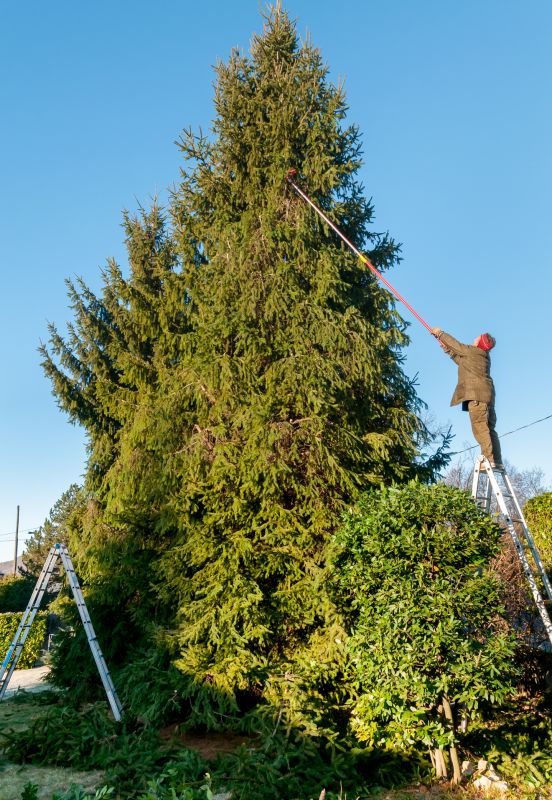 When it comes to maintaining and enhancing the appearance of your trees, especially during seasonal trimming, having the right tools and products is essential. Tree trimmings can involve a variety of tasks, from pruning branches to removing dead or overgrown limbs, all of which contribute to the health and aesthetics of your trees. Choosing suitable products can make these tasks more efficient and safer, whether you are a homeowner or a professional landscaper. The right equipment can also help prevent damage to the tree or surrounding property, ensuring that trimming is effective and controlled.
Top Overall Option
Multi-Purpose Tree Trimming Kit
A comprehensive tree trimming kit that includes various hand tools, safety gear, and extension poles, designed to handle a wide range of trimming tasks efficiently. Its versatility makes it suitable for both casual gardeners and professional landscapers, providing all-in-one convenience for maintaining healthy and attractive trees.
Types of Products For Tree Trimmings
Pruning Shears
Handheld tools ideal for trimming small branches and shaping trees with precision.
Loppers
Long-handled cutting tools suitable for reaching and trimming thicker branches.
Pole Saws
Extendable saws designed to reach high branches safely from the ground.
Chainsaws
Powered cutting tools for larger branches and more substantial trimming tasks.
Hedge Trimmers
Electric or gas-powered tools used for shaping and trimming hedges or dense foliage.
Safety Gloves
Protective gear to safeguard hands during trimming and pruning activities.
Safety Goggles
Eye protection to prevent debris from causing injury during trimming.
Tree Climbing Harnesses
Safety equipment for professional arborists working on large or tall trees.
Extension Poles
Tools that extend reach for trimming high branches without ladders.
Pruning Saw
Specialized saws for detailed cuts on thicker branches and trunk sections.
Debris Bags
Large capacity bags for collecting and disposing of trimmed branches and leaves.
Tree Pruning Paint
Protective coating applied to fresh cuts to prevent disease and pest infestation.
Tool Storage Organizers
Storage solutions to keep your trimming tools organized and in good condition.
Battery Packs & Chargers
Power sources for cordless electric trimming tools, ensuring extended use.
Replacement Blades & Chains
Spare parts to maintain the sharpness and efficiency of your cutting tools.
Popular Choices
Wireless tools favored for their portability and ease of use for small to medium branches.
Popular for reaching high branches safely without ladders.
Commonly used for precise cuts on small branches and shrubs.
Preferred for larger trimming jobs requiring more power and mobility.
Popular for trimming and shaping hedges with minimal effort.
Complete safety packages including gloves, goggles, and helmets for protection.
Trending for their ability to extend reach and perform high-up trimming tasks.
Widely used for collecting large amounts of trimmed branches efficiently.
Often chosen to protect cuts and promote healing after trimming.
Popular for their convenience and reduced manual effort for small branches.
Frequently purchased to maintain cutting efficiency of existing tools.
In demand for organizing and protecting trimming tools and accessories.
Common for pruning medium to large branches with leverage.
Popular among professional arborists for working on tall trees safely.
Tree trimming products come in many forms, including manual tools like pruning shears and loppers, powered equipment such as electric or gas-powered chainsaws, and safety gear like gloves, goggles, and harnesses. Additionally, accessories like tree trimming poles and extension tools can help reach higher branches without the need for ladders. Proper selection of these products depends on the size and type of trees, the scope of trimming needed, and personal comfort with handling tools. Investing in quality products can lead to cleaner cuts, reduced effort, and increased safety during trimming projects.
For those undertaking larger or more complex trimming tasks, specialized equipment such as pole saws or hydraulic lifts may be recommended. These tools allow for more precise cuts and safer handling of heavy branches. It is also helpful to consider storage solutions and maintenance products that keep your tools in good condition over time. Remember, safety should always be a priority, so selecting products with good ergonomic design and safety features is crucial. Whether trimming ornamental trees or managing larger landscape trees, the right selection of products can help you achieve professional-looking results while minimizing risk and effort.
Key Buying Considerations
- Tree size and branch thickness to determine suitable tool power and size.
- Frequency of trimming to decide between manual or powered tools.
- Reach required for high branches to select extension tools or pole saws.
- Comfort and ergonomics of hand tools for prolonged use.
- Safety features such as blade guards, safety locks, and protective gear compatibility.
- Power source preferences, including battery-operated, electric, or gas-powered options.
- Ease of maintenance and availability of replacement parts.
- Storage options to keep tools organized and protected.
- Weight of tools for ease of handling, especially for extended use or overhead work.
- Budget constraints balanced with quality and durability.
- Intended use — occasional yard work versus professional arborist needs.
- Compatibility of safety gear with other equipment you own.
- Noise levels, especially if working in noise-sensitive areas.
- Availability of accessories like sharpening tools or replacement blades.
- Environmental conditions where trimming will occur, such as wet or uneven terrain.